

A full digital detox rarely survives contact with real life — work, messaging family, and paying bills all happen on the same device you are trying to avoid. The changes that actually stick are smaller and more boring: they make mindless use slightly less convenient, without making the phone unusable.
Most screen time isn't a willpower problem — it's a design problem
Apps are built to be picked up without a decision — one tap from the home screen, bright colours, and an endless feed with no natural stopping point. Fighting that with willpower alone is a losing position. Changing the friction and the cues around the phone works better than trying to out-discipline the design.
Four changes that make a real difference
Move the apps, don't delete them
Move the apps you scroll without thinking into a folder on a second or third home screen page. The extra two taps is often enough friction to interrupt an automatic reach.
Turn your phone screen a shade of grey
Grayscale display settings remove much of the visual reward that colour gives a feed. It sounds minor, but many people notice the phone becomes noticeably less appealing to open without a reason.

Keep reading
How to Build a Morning Routine That Survives a Bad Night's Sleep
Give your hands something else to do
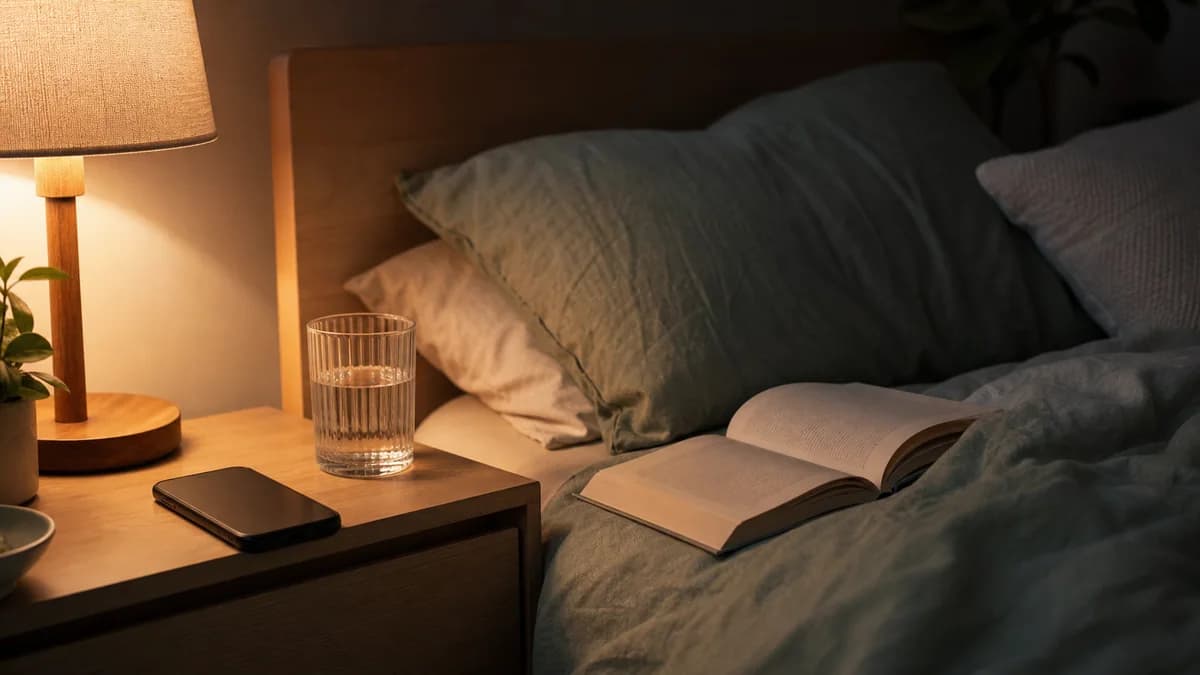
A lot of scrolling fills idle hands during a boring wait, not idle attention. Keeping a book, a small task, or even a fidget item within reach gives your hands an alternative during the exact moments you'd otherwise reach for the phone.
Put one deliberate obstacle between you and the app
Log out of the app you use most compulsively so opening it requires re-entering a password, or use a built-in screen-time limit that requires an extra confirmation tap. The goal is not to make it impossible — just slightly less automatic.
Where to actually start tonight
Pick the one app you open without thinking most often.
Move it off your home screen and turn on grayscale display mode.
Put one physical object — a book, a notepad — somewhere you usually scroll instead.
What not to expect
Screen time will not drop to zero, and it should not need to. The realistic goal is noticing the automatic reach before it happens and having something else ready in that moment — usually during boredom, waiting, or avoiding a task, which are the three triggers worth paying attention to.
Our editorial promise
Prepared with clarity and care.
This guide completed our editorial review before publishing. If something needs attention, report a correction or contact the publisher.
About this article
- Published:
- Last updated:
- Author:
- Ceyora Editorial Team
- Review status:
- Editorially reviewed
- Sources:
- 0
- Corrections:
- Report an issue