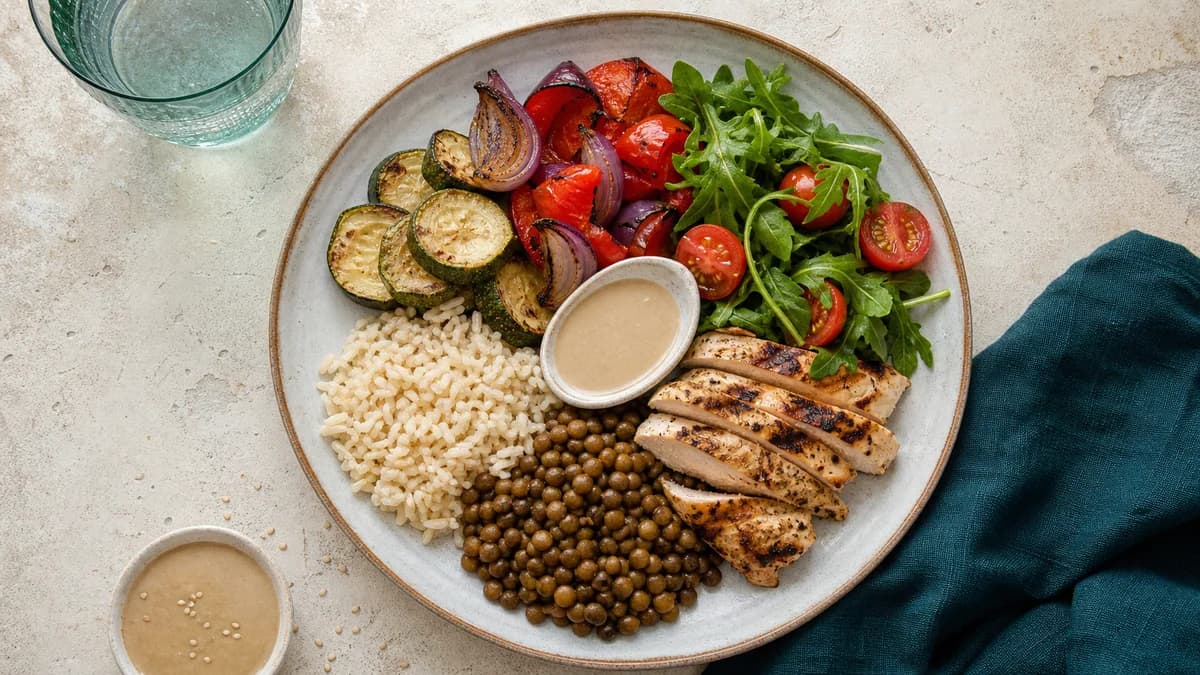


Persistent tiredness has plenty of causes, but low iron is one of the more common ones, especially for people who menstruate, follow a mostly plant-based diet, or have had recent blood loss or illness. The fix is not always a supplement bottle — for many people, it starts with a few changes to what's already on the plate.
Why iron deficiency shows up as tiredness first
Iron is a core ingredient in haemoglobin, the part of your red blood cells that carries oxygen around your body. When iron runs low, less oxygen reaches your muscles and brain, which tends to show up as fatigue, poor concentration, and sometimes pale skin or shortness of breath on ordinary exertion — often before a blood test is even taken.
The best food sources of iron
Animal sources (heme iron)
Heme iron, found in animal foods, is absorbed more efficiently by the body than the plant-based version.
Red meat, especially beef and lamb
Liver and other organ meats, in modest amounts
Poultry, particularly the darker cuts
Fish and shellfish, including sardines and mussels
Plant sources (non-heme iron)
Keep reading
Why You're Always Hungry Even After Eating
Plant sources still count, just less efficiently on their own — which is why the pairing trick below matters more here.
Lentils, chickpeas, and other beans
Spinach and other dark leafy greens
Pumpkin seeds and cashews
Fortified breakfast cereals and iron-fortified bread
Tofu and tempeh
The pairing trick that helps absorption
Vitamin C measurably increases how much non-heme iron your body absorbs from a meal. Adding citrus fruit, tomatoes, bell peppers, or a squeeze of lemon to a lentil or spinach dish is a small change with a real effect. The reverse is also true: tea and coffee taken with a meal can reduce iron absorption, so it helps to have them between meals rather than alongside an iron-rich one.
A simple day of iron-friendly eating
Breakfast: fortified cereal with strawberries, or eggs with tomatoes.
Lunch: a lentil salad with lemon dressing and bell peppers.
Dinner: beef, chicken, or tofu stir-fry with dark leafy greens.
Snack: pumpkin seeds or a handful of dried apricots.
When to see a doctor instead of just eating differently
Food changes help most people, but they are not a substitute for diagnosis. If tiredness is severe, ongoing, or comes with dizziness, pale skin, or unusually heavy periods, ask a doctor for a blood test before starting an iron supplement — too much supplemental iron can be harmful, and self-treating without a confirmed diagnosis can mask a more serious underlying cause.
Reference notes
Sources and further reading
Our editorial promise
Prepared with clarity and care.
This guide completed our editorial review before publishing. If something needs attention, report a correction or contact the publisher.
About this article
- Published:
- Last updated:
- Author:
- Ceyora Editorial Team
- Review status:
- Editorially reviewed
- Sources:
- 2
- Corrections:
- Report an issue